Cold plunge for sleep: what happens to your body temperature overnight
A cold plunge in the evening is one of the most effective sleep onset tools available. The mechanism is specific, the timing matters, and the interaction with sleep trackers makes it one of the more measurable interventions in a longevity protocol.
The cold plunge conversation in biohacking circles is dominated by morning protocols — the discipline signal, the dopamine spike, the cortisol and norepinephrine surge that produces the alertness and focus most practitioners report after a morning session.
What gets less attention is the evening use case, which operates through an entirely different mechanism and produces a different set of outcomes. A cold plunge 60–90 minutes before bed is not a productivity tool. It is a sleep onset tool — one of the more reliable and fast-acting ones available without a prescription.
Understanding why requires understanding what the body is actually trying to do in the hour before sleep, and how cold exposure accelerates it.
The thermoregulatory mechanism of sleep onset
As covered in our sleep temperature and recovery article, core body temperature drop is the primary physiological trigger for sleep onset. The hypothalamus initiates this drop through peripheral vasodilation — blood vessels near the skin surface dilate, allowing warm blood to reach the skin where heat can be dissipated into the environment.
The result is the familiar warm, heavy sensation in the hands and feet that precedes sleep. Body temperature at the core falls by 1–2°F, melatonin secretion increases, and the brain transitions toward sleep-initiation states.
Cold water immersion in the evening accelerates this process through a mechanism that feels counterintuitive: you apply cold, which initially drives vasoconstriction and core temperature maintenance. But the body's response to the cold stimulus — once you exit the water — is a powerful rebound vasodilation that dissipates heat from the periphery rapidly and efficiently.
This rebound effect produces a faster and more complete core temperature drop than passive pre-sleep cooling alone. The parasympathetic activation that follows cold exposure — the shift away from sympathetic fight-or-flight tone — compounds the effect, producing a physiological state that is directly conducive to sleep onset.
Timing: why 60–90 minutes matters
The 60–90 minute window before bed is not arbitrary. It reflects the time required for the rebound vasodilation and parasympathetic shift to complete and for the core temperature drop to reach its nadir.
Plunging too close to sleep — within 30 minutes — risks the alerting effects of cold exposure (norepinephrine, cortisol, heightened sympathetic tone) still being active when you try to sleep. The cold shock response is a sympathetic nervous system activation event. For experienced practitioners with good cold tolerance, this alerting window is shorter. For beginners or those with high sensitivity to cold stress, it can extend to 45–60 minutes.
Plunging too early — more than two hours before bed — means the rebound vasodilation and temperature drop have largely run their course before you actually get into bed. You've used the mechanism but missed the sleep onset window.
The practical target: finish your session 60–90 minutes before your intended sleep time. For most people sleeping at 10:30–11pm, this means a session between 9:00 and 9:30pm.
Evening vs morning cold plunge: different mechanisms, different outcomes
The distinction matters because practitioners often try to apply morning protocol logic to evening sessions and get suboptimal results.
Morning cold plunge:
- Mechanism: sympathetic activation, norepinephrine and cortisol spike, HPA axis stimulation
- Outcome: alertness, focus, dopamine elevation lasting hours, cortisol normalisation
- Optimal temperature: 50–59°F for 2–5 minutes
- Optimal timing: within 1 hour of waking, ideally before caffeine
Evening cold plunge:
- Mechanism: cold shock response followed by rebound vasodilation and parasympathetic shift
- Outcome: accelerated core temperature drop, reduced sleep onset latency, improved deep sleep architecture
- Optimal temperature: 55–62°F — slightly warmer than morning sessions to reduce the alerting window
- Optimal timing: 60–90 minutes before sleep
The temperature recommendation for evening sessions is deliberately slightly higher than the morning protocol. Colder water produces a stronger and more prolonged sympathetic response. In the evening, you want the rebound effect without extending the alerting phase. Working at 58–62°F achieves the vasodilation trigger while shortening the alerting window.
Duration follows the same logic: 2–3 minutes is sufficient for the evening mechanism. There is no benefit to longer sessions in this context, and longer cold exposure in the evening extends the time before the rebound phase completes.
What to expect on your wearable
The evening cold plunge is one of the more measurable sleep interventions available because its effects show up clearly in wearable data within the first one to two weeks of consistent use.
Sleep onset latency: this is typically the first metric to improve. Practitioners who previously took 20–40 minutes to fall asleep consistently report onset in under 15 minutes after establishing an evening cold plunge routine. This reflects the accelerated temperature drop mechanism working as intended.
Deep sleep (slow-wave sleep) duration: deep sleep is temperature-sensitive. The faster and more complete the core temperature drop before and during early sleep, the longer the first slow-wave sleep episode. Oura and Whoop both measure deep sleep duration; expect this to increase meaningfully within two weeks of consistent evening plunging.
HRV: the parasympathetic shift produced by cold exposure rebound is directly reflected in HRV. Evening cold plunges consistently produce higher overnight HRV than baseline in practitioners who run sympathetically dominant. The effect is most pronounced in the first half of the night when parasympathetic tone is highest.
Resting heart rate: the thermal work reduction — your body no longer working as hard to dissipate heat during sleep because the drop has been pre-initiated — often produces a lower overnight resting heart rate. For athletes, this sometimes shows up as an apparent "readiness" improvement on Whoop that can be confusing if you don't know the mechanism.
Pros
- +Measurable improvement in sleep onset latency within the first week for most practitioners
- +Deep sleep and HRV improvements are trackable via Oura or Whoop — you can verify the mechanism is working
- +No dependency risk — unlike sleep aids, the mechanism is physiological and does not require dose escalation
- +Combines the cold exposure weekly dose with a sleep benefit — efficient use of protocol time
Cons
- −Timing precision matters — too late or too early reduces effectiveness significantly
- −Beginners may find the alerting effect extends their sleep onset in the first few weeks before cold tolerance adapts
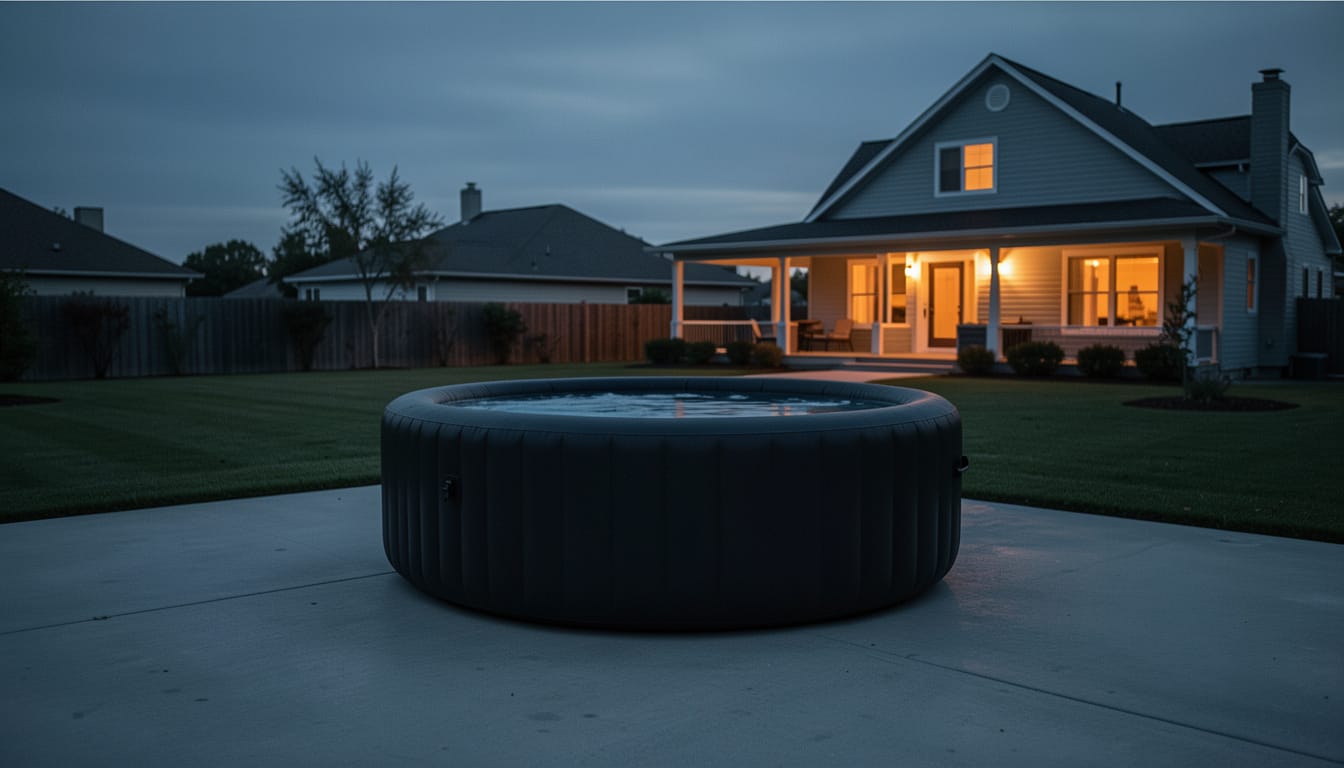
- −Evening sessions require infrastructure — a dedicated tub makes consistency easier than improvising each night
- −Contraindicated within 2 hours of intense exercise — wait for core temperature to normalise first
Verdict: The evening cold plunge is the highest-evidence non-pharmacological sleep onset intervention in a biohacking protocol. The mechanism is well-understood, the effects are measurable, and unlike most sleep supplements it compounds with other interventions rather than substituting for them.
Interaction with other evening protocols
Sauna: hot-cold contrast therapy in the evening is effective for sleep but requires careful sequencing. End with cold, not heat — finishing with a sauna session re-elevates core temperature and partially negates the cold-induced temperature drop. The sequence should be: sauna, then cold plunge 60–90 minutes before bed. See our contrast therapy article for full protocol details.
Red light therapy: red light in the evening supports melatonin production by avoiding blue light exposure. It is compatible with evening cold plunging and can be done before the session without interfering with the temperature mechanism.
Caffeine: the half-life of caffeine is 5–7 hours. If you are plunging at 9pm and consuming caffeine after 2pm, caffeine's adenosine-blocking effect is partially counteracting the sleep pressure that makes the cold plunge protocol most effective. Address caffeine cutoff time before optimising cold plunge timing.
Alcohol: alcohol within three hours of sleep suppresses REM and generates metabolic heat that directly competes with the cooling mechanism you are trying to create. Evening cold plunging with regular alcohol use before bed is largely an exercise in cancelling out two opposing signals.
Protocol summary
| Variable | Recommendation |
|---|---|
| Temperature | 55–62°F (13–17°C) |
| Duration | 2–3 minutes |
| Timing | 60–90 minutes before sleep |
| Frequency | 3–5 evenings per week |
| Post-plunge | No hot shower — rewarm naturally for 15 minutes |
| Wearable check | Track deep sleep and HRV weekly averages, not nightly |
Tub recommendations for evening use
For a consistent evening protocol, a dedicated tub is significantly more practical than improvising with ice in a bathtub. The friction of preparing an ice bath each evening is the primary reason practitioners abandon the routine before the sleep benefits become established.
A chiller-equipped tub allows you to set a precise temperature — critical for evening sessions where the 55–62°F range is tighter than the morning protocol — and have it ready without preparation time.
For tub and chiller options at every price point, our inflatable cold plunge buying guide covers the full range. For the ice vs chiller cost breakdown and which tubs are chiller-compatible, see our chiller vs ice article.
This article contains affiliate links. As an Amazon Associate, LongevityGearLab earns from qualifying purchases. Prices and availability are accurate as of the date published and may change.